Is Luxury Blue and Pink Digital Paper the Right Background Choice for Your Project?
Selecting a background texture or pattern might seem like a small decision, but it often sets the entire tone of a creative project. Luxury Blue and Pink Digital Paper has gained attention among designers, self-publishers, and content creators who want a blend of softness and sophistication. In this guide, we’ll examine what makes this digital paper distinct, how it compares with other background options, and in which situations it tends to perform best—or where you might want to explore an alternative.
What Exactly Is Luxury Blue and Pink Digital Paper?
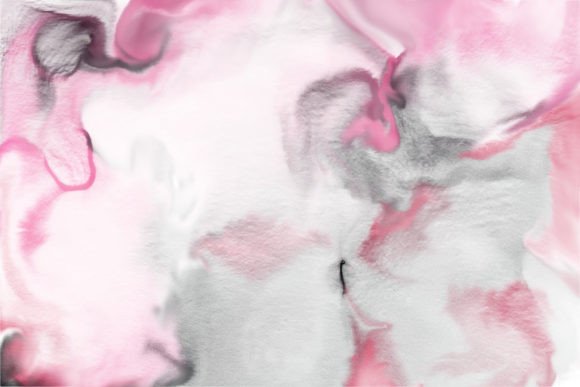
At its core, this product is a high-resolution digital background design saved as a 300 DPI JPEG file inside a ZIP folder. The visual style centers on a gentle interplay between blue and pink tones, often with a tactile or painterly feel that suggests elegance without being overly busy. Unlike a simple gradient or flat color block, luxury digital papers typically incorporate subtle texture, marbling, watercolor washes, or layered abstract elements that give depth while remaining versatile enough to work behind text, logos, or product images.
The file arrives ready to use across a wide range of software—Canva, Microsoft Word, PowerPoint, and similar applications. Because it's a single JPEG, there are no complex layers to manage or extensive learning curves. For many users, this simplicity is one of its strongest practical advantages.
How the Aesthetic Compares to Other Background Styles
To make a clear evaluation, it helps to place luxury blue and pink digital paper alongside several common categories of backgrounds.
Solid Color Backgrounds
A plain blue or pink solid fill can work well for corporate slides or minimal web designs where nothing should compete with the text. However, solid backgrounds often feel flat and lack personality. The textured, multi-tonal nature of luxury digital paper adds visual interest without distracting from the main content. If your goal is to convey warmth, creativity, or a handmade touch, the textured option usually outperforms a flat coat of color.
Photographic Backgrounds
Using an actual photograph—such as a bokeh light effect or a real marble surface—can create strong realism. Yet photographic imagery often introduces complications: busy focal points, color casts that fight with text, or resolution limits when scaling. Luxury blue and pink digital paper bridges the gap. It mimics organic texture but is designed to be reusable and adaptable, without the unpredictable highlights or dark zones that photos sometimes bring.
Geometric and Patterned Papers
Many digital papers feature repeating geometric shapes, stripes, or floral motifs. While beautiful in the right context, these patterns can overwhelm when you need to overlay copy, charts, or product photos. The abstract, fluid style of blue and pink luxury paper tends to recede more gracefully into the background, making it a safer bet for projects where readability is paramount.
Minimalist or Monochrome Textures
If your brand leans strictly toward greyscale, beige, or soft neutrals, blue and pink might feel too expressive. However, within the realm of gender-neutral or modern romantic aesthetics, this palette strikes a balance. It’s less predictable than pink-only or blue-only designs, appealing to markets that appreciate nuanced, inclusive color schemes—think baby showers, boutique branding, or lifestyle blogs that don’t want to be boxed into a single color category.
Where Luxury Blue and Pink Digital Paper Truly Shines
Real-world use cases often reveal whether a digital resource is worth the investment. Consider these scenarios where this background builds immediate value.
- Book Covers and KDP Interiors: Authors and self-publishers creating romance, poetry, journal, or children’s book covers often need a background that is evocative but won’t clash with title text. The 300 DPI resolution ensures crisp output on print covers, while the soft blue-pink palette supports heartfelt or lyrical themes without overpowering typography. Inside pages for journals, planners, or prompt books also benefit from a lightly decorative, non-distracting backdrop.
- Social Media Posts and Brand Templates: Marketers and virtual assistants designing quote posts, announcements, or story backgrounds find that a subtly textured base helps maintain visual consistency. Unlike stock photos that can date quickly, an abstract luxury paper stays timeless, so batches of posts retain a cohesive look over weeks and months.
- Stickers and Small Merchandise: When creating custom stickers, buttons, or laptop decals, the background design often sets the product apart. Printing on demand or using a Cricut, the high-quality JPEG produces sharp edges and faithful color reproduction. The blue-pink combination feels both playful and polished, attracting customers looking for aesthetic stationery or gift items.
- Mobile Covers and Device Wallpapers: Because the paper is a single high-res file, it crops evenly to fit phone screens, tablet cases, or desktop wallpapers. The gentle contrast between blue and pink usually provides enough distinction to keep app icons readable while maintaining a luxurious feel.
- Presentation Decks and Educational Materials: Teachers, coaches, and webinar hosts frequently replace default slide backgrounds with something more polished. The subtle texture prevents the “plain template” look while staying professional enough for client-facing webinars or online courses.
When You Might Prefer a Different Option
No single design resource fits every need. Luxury blue and pink digital paper has limitations worth weighing honestly.
If your project requires a strict, cool corporate identity—think financial reports, law firm proposals, or tech startup pitch decks—the warmth of pink may send the wrong signal. A cooler greyscale or deep navy texture might align better with serious, no-nonsense messaging. Similarly, projects targeting audiences that associate pink heavily with a particular cultural or gendered expectation could inadvertently polarize viewers. Always consider the cultural and demographic context of your audience before committing to a color story.
Some designs also demand extremely large-scale printing, such as billboards or trade show backdrops. While a 300 DPI JPEG is versatile, enlarging a single image beyond its native dimensions can introduce softness. If you know you’ll need to scale upward by 300% or more, a vector-based background or a higher-resolution original file could be a safer anchor for your project.
Additionally, creators who need editable layers—individual pink and blue elements they can recolor or rearrange—may find a flat JPEG restrictive. In those cases, a layered PSD or an adjustable template in Canva gives more control. Luxury digital paper in JPEG format is intentionally simple: that simplicity is a strength for quick use but a constraint for advanced customization.
Making Sense of the 300 DPI Standard and File Format
Resolution matters, particularly when you move between print and screen applications. 300 DPI (dots per inch) is the print industry benchmark for clear, sharp output on physical products—whether you’re printing with KDP, a local print shop, or a home inkjet printer. When you use this file in Canva, MS Word, or PowerPoint, the embedded resolution typically holds up well even after resizing within reasonable limits.
The JPEG format deserves a brief note. As a lossy compression, it keeps file sizes manageable while preserving enough detail for most professional uses. You won’t encounter bulky files that crash design software, and the included ZIP protection helps prevent accidental corruption during download. The main tradeoff is that JPEGs lack transparency, so if you intend to layer the paper over other artwork with irregular edges, you’ll need to operate within its rectangular canvas. For the vast majority of intended uses—book covers, slide backgrounds, stickers—transparency isn’t needed, so the format choice remains practical.
Integration with Popular Software and Platforms
One decision factor many buyers overlook is how seamlessly a digital asset slots into their existing workflow. Luxury blue and pink digital paper targets broad compatibility.
- Canva users can upload the JPEG directly, drag it into a design, and use it as a background or patterned element behind text and graphics. The absence of complex file types means no waiting for imports or resolving compatibility errors.
- Microsoft Word and PowerPoint accept JPEGs as page backgrounds or slide fills with just a few clicks. For authors formatting book interiors or teachers preparing handouts, this eliminates hours of technical fuss.
- Other applications like Adobe InDesign, Affinity Publisher, or even simple mobile editing apps handle the file without issue. The high resolution gives a comfortable margin for repositioning and cropping.
If you regularly switch between platforms or collaborate with team members who have varying tech comfort levels, a straightforward JPEG is often a safer choice than proprietary formats that may require specific software versions.
Balancing Uniqueness with Broad Appeal
A subtle but important strength of luxury blue and pink digital paper is its ability to feel distinctive without being niche. Some highly stylized backgrounds—neon cyberpunk themes, extreme grunge textures, or hyper-specific seasonal motifs—limit the number of projects they can serve. The blue-pink combination, by contrast, fits a surprisingly wide spectrum: from baby shower invitations to fashion lookbooks, from yoga retreat branding to modern wedding stationery. This flexibility reduces the need to invest in dozens of different background packs, making it a cost-effective core asset for small business owners and freelance creators who want to reuse a design in multiple contexts.
Practical Considerations Before You Download
To decide if this digital paper matches your immediate and future needs, run through a quick mental checklist:
- Does the project call for soft, approachable colors rather than stark minimalism or heavy drama?
- Will text, logos, or product images sit on top of the background, and does the subtle texture enhance rather than compete?
- Is the final output primarily print, digital, or both, and will the 300 DPI JPEG meet size requirements?
- Are you prepared to work with a flat raster image, or do you truly need editable layers or vector scalability?
- Does your target audience respond positively to warm, elegant color palettes, or might another tone perform better given cultural and industry norms?
Answering these questions honestly can save you time and prevent a mismatch between the resource and the result.
How Luxury Digital Papers Support Different Creative Niches
While the product listing specifically mentions book covers, web backgrounds, social media, stickers, and mobile covers, the scope extends further. A few less obvious but valuable applications include:
- Podcast cover art: The dual-tone background adds warmth to cover images without making them visually loud.
- Printable greeting cards and invitations: The elegant feel suits anniversaries, baby naming ceremonies, or bridal showers.
- E-commerce product mockups: When presenting handmade jewelry or pastel-themed packaging, the background’s texture lifts the product without creating a sterile studio look.
- Digital planners and PDF downloads: Content creators selling downloadable organisers often use subtle decorative papers to distinguish their brand from standard white-page layouts.
In each case, the background functions as a supporting element—never the hero, but a key ingredient that elevates the overall impression. That role aligns well with how experienced designers think about assets: they want materials that do a job reliably without demanding constant adjustment.
Deciding Based on Your Creative Priorities
If your priority is speed and simplicity—download, drop into a design, and move on—then a high-quality flat JPEG like this one is an excellent fit. The learning curve is essentially zero, and you can produce professional-looking results within minutes. If, however, you thrive on deep customization, rebuilding every detail from scratch, this paper may feel limiting. In that case, you might look for backgrounds that come with editable source files or consider learning to create your own textures.
Cost-effectiveness also factors in. For a single file that can be reused across dozens of projects, the value proposition is strong—especially compared to subscription-based stock photo services that charge monthly fees. The ability to keep the file forever and apply it to personal and commercial projects without recurring costs appeals to budget-conscious makers, including those testing a new product line or handling multiple client projects simultaneously.
The Role of Color Psychology in Your Choice
Research into color association shows that blue often evokes trust, calmness, and stability, while pink can signal compassion, warmth, and creativity. Together, they form a palette that feels approachable yet refined. In markets saturated with loud, high-contrast designs, luxury blue and pink digital paper offers a quieter alternative—one that invites the viewer to linger rather than scroll past. If your brand voice is gentle, empathetic, or creatively sophisticated, this background aligns naturally. For brands that want to project bold disruption or purely technical authority, a different color direction might serve better.
Maintaining Consistency Across Multiple Projects
Another factor to consider is visual consistency. When you use the same digital paper across book interiors, social media templates, and promotional stickers, you create a recognizable visual thread. Audiences may not consciously notice the repeating background, but subconsciously the cohesive texture supports brand recall. This is harder to achieve when mixing vastly different background styles. For multi-channel creators, choosing one or two core digital papers that work across platforms can streamline branding effort significantly.
Weighing the Simplicity of JPEG Against More Complex Formats
Advanced designers sometimes prefer PNG files with transparency or scalable vector shapes. Yet for the average creator—someone running a small Etsy shop, a teacher preparing classroom materials, or a blogger scheduling weekly pins—the JPEG is often the friendlier ally. It uploads quickly, previews instantly in file explorers, and doesn’t require exporting or compatibility checks. The ZIP delivery simply ensures the file arrives uncorrupted, especially important when downloading on slower connections.
Real-Life Example: Designing a Book Cover Series
Imagine you are an independent author publishing a trilogy of romance novels. You need covers that feel connected but not identical. By using luxury blue and pink digital paper as the base for all three covers, you can change title fonts, author name placement, and silhouette illustrations while maintaining a unified series look. The paper’s texture adds production value that separates your books from amateurish solid-color backgrounds, but the consistent palette means readers immediately recognize the series on a digital storefront. This approach saves both time and money compared to commissioning custom background art for each cover.
What the Included File Means for Your Workflow
The product delivers a single high-quality JPEG inside a ZIP. For anyone wondering if one file is sufficient, the answer depends on how you plan to use it. Since it’s a background meant to be reused, one well-made file can support dozens of designs—social media posts, print-ready book covers, and stationery items—without needing multiple color variants. The convenience of a single file also means less clutter in your asset library. If your design process benefits from having multiple colorways at your fingertips, you might want a bundle, but for targeted projects, this streamlined approach reduces decision fatigue.
Ultimately, luxury blue and pink digital paper isn’t trying to be everything to everyone. It’s a thoughtfully crafted resource for situations where gentle color, subtle texture, and cross-platform simplicity matter most. Knowing both its strengths and its natural boundaries empowers you to choose confidently, whether that means adding it to your creative toolkit or recognizing that a different background style better serves your vision.